



Flowers
Prairie Garden Seeds
Message Board

Ordering

Last Word

Links

Family Matters

Home
Green Beans
Filet Beans
Wax Beans
Pole Beans
Runner Beans
Horticultural Beans
Broad Beans - Favas
Tepary Beans
Soy Beans
Dry Beans
Peas
Snap and Sugar Peas
Dry Peas
Lathyrus
Winged pea
Vetch

Beans, Peas and other Pulse Crops

GREEN BEANS

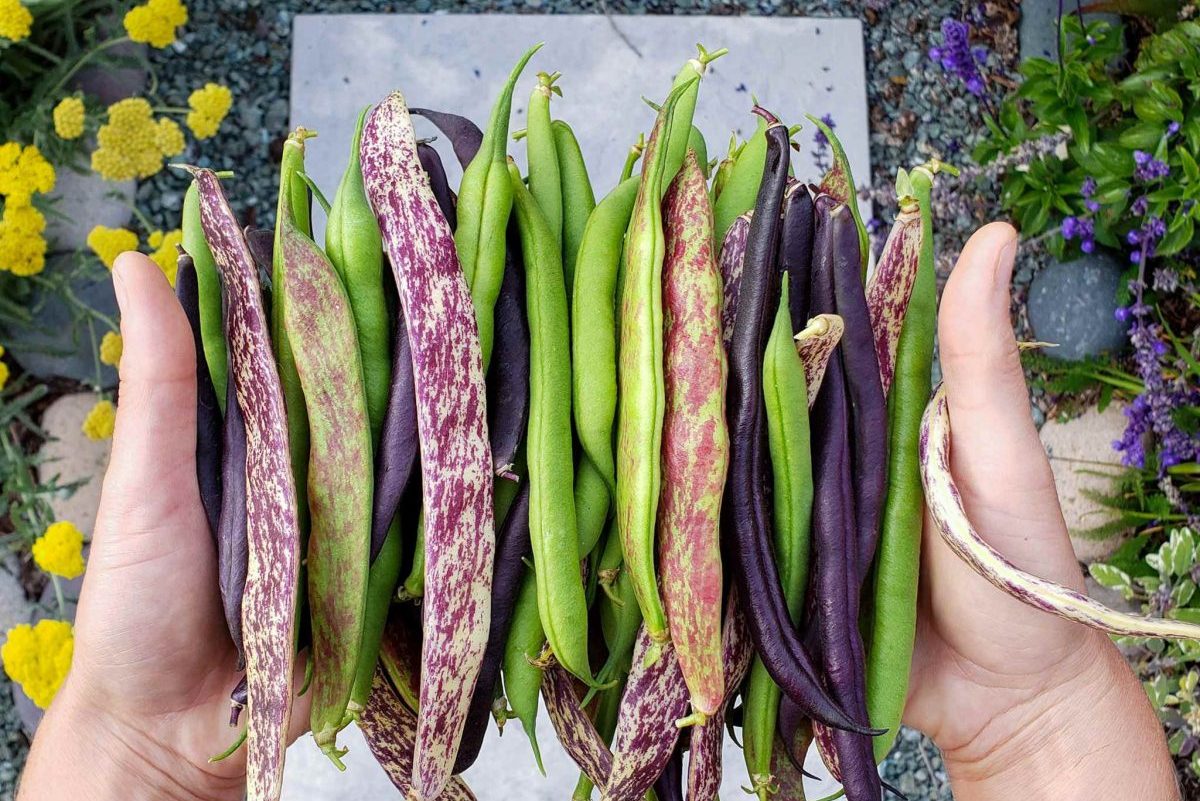
– VENTURE is my earliest green bean. It is a Blue Lake type with long slim pods and yields well. BLACK VALENTINE is an heirloom variety dating back to around 1850. The slightly sprawling plants give a heavy yield of long pods. FLORENCE is quite early, has extra slim pods and good flavour. MR FEARN'S has been grown in England for most of the past century. The plants are sprawling with short runners and the seeds are black. E-Z PICK has pods which are easy to detach from the plant. REMUS is easy to pick as its pods are held somewhat above the leaves. JADE is a mid-season variety with long slim intense green pods that hold well on the plant. Our main crop is BLUE LAKE, a heavy yielder with beans that remain tender and stringless for a long time.
ADMIRES is a European frenching bean with long flat inch-wide pods, and large white seeds.
RED SWAN has flat 5" pods and plump tan seeds which would probably be good as a dry bean. The pod colour is new for me; I would describe it as old rose, which I assume turns to green during cooking.
I am offering three varieties of purple beans. They all have round slim pods that turn green when cooked, and are early to mid season in maturity. ROYALTY (1957), bred at U. of New Hampshire by Elwyn Meader, is the earliest and lowest yielding. PURPLE QUEEN is the variety I have been growing the longest. PURPLE TEEPEE is the latest and heaviest yielding, and holds its pods somewhat above the leaves.

50 grams @ $2.50

FILET BEANS

-- These are French green beans that are generally early producers. They are usually picked when the pods are very slim. Older varieties develop strings fairly rapidly but newer varieties tend to be stringless. All have dark seeds except Tavera. TRIUMPH DE FARCY is the standard French variety, very early with long slim pods heavily streaked with purple. FIN DE BAGNOLS is a traditional long podded variety. The pods of DEUIL FIN PRECOCE are long and large and heavily streaked with purple. The large seeds are buff speckled with purple.
The following varieties can be picked at full size and are still stringless. DELINEL is a modern black seeded variety that yields well. ARAMIS produces a good yield of medium length slim pods. TAVERA has very short plants and pods, and small white seeds.

50 grams @ $2.50 (except Tavera 25g @ $2.50)

WAX BEANS

– KEYGOLD, our earliest variety, has short plants covered with straight slender round pods. ROCDOR is also early with long pods and black seeds. MAJOR is an early short variety which produces a heavy yield of slim pods. It is probably French in origin. GOLDEN ROD is a mid-season good yielding variety. INDY GOLD is a modern midseason bean with round yellow pods with small green tips. PENCIL POD BLACK WAX was introduced in 1900 and is still popular. BRITTLE WAX (1901) has pale golden pods and white seeds with a black figure around the hilum.

50 grams $2.50

POLE BEANS

– In general, pole beans are later than bush beans but have larger pods. They should be given poles, string, or a fence to climb on and usually will climb about 8 feet.
NORTHEASTER gives a very heavy yield of very long flat green beans and is early for a pole bean. GOLDMARIE is a wonderful wax bean similar to Northeaster. It has long flat yellow pods, is a heavy yielder, and is perhaps slightly earlier than Northeaster.
RATTLESNAKE is a good producer of long pods streaked with purple. Pick fairly young as the pods form strings. Seeds are tan with purple markings. OREGON GIANT has very long thick somewhat irregular flattened pods, streaked with purple. It is quite early and a good yielder. Seeds are large, kidney shaped, tan with purple markings. CASCADE GIANT is a selection from Oregon Giant with more slender pods and seeds. GRANDMA NELLIE'S was brought from Russia to Western Canada early in the 20th century. The edible pods are flat and the flat seeds are dark brown.
The following beans are used for fresh or dry shelling. SNOWCAP has large flat pods and large somewhat flattened seeds. It has very pretty seed with markings similar to Mostoller Wild Goose. AUNT JEAN'S BEAN is a beautiful half-red and half-white bean that is almost round. Try it as a dry bean.ODAWA SOUP is a tall, heavy yielding bean that has been grown by Native Americans. The pods are broad, and the seeds are large and oval, half white, half pinto coloured. McCORMICK'S WONDER gives a good yield of flat almost square pinkish tan seeds with pinto markings. TRUE RED CRANBERRY is a traditional New England variety with dark red, almost round seeds that are used as a dry bean.

25g @ $2.50

RUNNER BEANS

-- (Phaseolus coccineus) Runner beans have large showy flowers, usually red or white, and will cross with each other but not with other beans. The plants have runners from 4' or 5' long to twice that length. They like a lot of water and should be given something to climb on. The pods are long and plump, and rough textured. The oval seeds are very large and plump. Eat as a snap bean, or a fresh or dry shell bean.
SCARLET EMPEROR (1906) (C) is an early red-flowered variety with black and pink seeds.
PICKWICK DWARF RUNNER has short runners and red flowers, and occasionally a plant with bi-coloured flowers.

Packet (about 25 seeds) @ $2.50

HORTICULTURAL BEANS

-- These beans (also called cranberry beans) are often grown as fresh shell beans but they can also be used as snap or dry beans. The pods are usually streaked with purple or red, and the seeds have markings similar to those of the pods. TONGUE OF FIRE is a dwarf early variety whose buff seeds are streaked with red. WHITE HORTICULTURAL has pods streaked with purple but the large, almost round seeds are white. The plants have short runners. VERMONT CRANBERRY has oval red seeds marked with purple.

50g @ $2.50

BROAD BEANS

-- Broad or Fava beans (Vicia faba) are Mediterranean in origin and so were the only beans grown in Europe until European contact with the Americas. They are now grown worldwide but are not especially well known in North America. The Fava Bean Project is trying to change that with their collecting and breeding programs. By selecting the seed you save you might develop your own variety of Fava, especially suited to your growing conditions. Unlike common beans which are largely self fertile, broad beans cross easily and must be isolated if you want to save pure seed.

The large green seeds of BROAD WINDSOR (early 1700's) can be eaten fresh, or frozen or picked as dry seed. Like peas, they should be seeded as soon as the ground can be worked in the spring. GREEN WINDSOR (early 1800's) has seeds which retain their bright green colour both fresh and dried. MASTERPIECE GREEN LONGPOD (1894) is a tall cultivar (to about 3') with long pods of green seeds. APROVECHO SELECT has seeds significantly larger than those of Broad Windsor. BUNYARDS EXHIBITION (1845) is a tall, heavy yielding variety with long pods and white seeds. THREEFOLD WHITE (late 1800's) is white-flowered with white seeds which do not darken with cooking. The pods are long and slim and the seeds smaller than those of Broad Windsor. POLAR is a short early variety. Pods are slim and the medium-sized seeds are white. THE SUTTON is an English variety from around 1950. The plants are short (about 2') and early with medium-sized blond seeds. The young pods can also be eaten like snap beans.

Broad Windsor and Aprovecho Select: 50g @ $2.50, 125g @ $4.00, 500g @ $10.00
Other varieties: 50g @ $2.50

BONNIE LAD is a dwarf white-seeded cultivar, slightly taller than The Sutton. SWISS has broad pods usually containing 4 to 5 large blond seeds. CON AMORE is an Italian cultivar which is a good yielder and mid-season in maturity. The pods are in clusters and give 3 to 5 seeds per pod. CAMBRIDGE SCARLET (1778) has red flowers and bright green seeds, small to medium in size. AZTEC YELLOW is an early producer of short pods containing one to three large seeds. The seed coats are light yellow and the seeds are yellow right through. COPPER FAVA is late maturing with medium-sized deep copper seeds. Pods are upright with 1 to 3 seeds, in bunches of 2 to 4. MB5 RED is a good producer of small to medium dusky red seeds. BLACK FAVA has solid black navy bean sized seeds. The short upright pods are borne in clusters on medium height plants. BELL is a small seeded fava that is fall seeded for a cover crop in areas where the winters are mild. Cook the seeds fresh or dried. ORION is a field fava bred by Agriculture Canada from an initial cross in 1975. This is a short, very early, cultivar with small round to oblong seeds. COFFEE BEAN was sent to me from the Prince Albert area with the information that the small seeds were roasted and used as a coffee substitute. Seeds are tan heavily mottled with black.
Our daughter Rachelle spent a couple of months in Iluman, Ecuador, last year and brought me some favas from the local market. ILUMAN has large elongated pale green seeds, usually with 1-3 seeds per pod. SMALL ILUMAN has pods in clusters of 3 or 4. There are 1-4 small to medium blond seeds per pod.

Packet (about 25 seeds) @ $2.50

TEPARY BEANS

-- (Phaseolus acutifolius v. latifol) These are desert beans from the American Southwest. They are very drought tolerant and also do not mind cool summers. The plants are rather sprawling, have quite small leaves and produce a lot of short slim pods. The seeds are a bit smaller than a navy bean and somewhat flattened. My most consistent producer has been BLUE-GREY SPECKLED tepary. I am also offering WHITE tepary, SONORAN GOLDEN tepary, and MITLA BLACK tepary.

25g @ $2.50

SOY BEANS

-- (Glycine max) GRAND FORKS yields well and is the largest seeded soy I have grown. The seeds are yellow, partly overlaid with brown. MANITOBA BROWN has round to oval deep brown seeds. BLACK JET has pure black seeds and has the best flavour eaten as a dry bean.

25g @ $2.50

DRY BEANS

– My father and grandfather were growing GREAT NORTHERN in the thirties. It is a large flat white bean, the earliest I grow but unfortunately not a heavy yielder. ARIKARA YELLOW, grown by the native people of the Dakotas, is almost as early as Great Northern and a much better producer. The round slim pods have five or six light yellowbrown seeds. JACOB'S CATTLE has long pods containing large kidney-shaped seeds that are white with irregular red splotches. KAHL is a yellow-green bean shaped like a navy bean but almost twice as large. They are our fastest cooking beans. A few days later than Great Northern.
NORWEGIAN BROWN looks like a smaller skinnier kidney bean. It is earlier than any kidney bean I have tried. FLAGEOLET is a slim white to light green bean that is used in all French bean dishes. RED PEANUT produces a heavy yield of small red beans that look like Spanish peanuts. The pods go from green (immature) to red (mature) to purple (dry). These beans are all a few days later than Great Northern.
MAGPIE and APPALOOSA are very similar except for the colour of the seeds. They are fairly early, with Apaloosa the earlier of the two, and have long slim pods and long narrow seeds. Magpie is about half black and half white. Appaloosa is white at one end and mottled purple at the other.
My favourite kidney bean is one that I call BIG RED. It is a large flat dark red bean. I am also offering PINK KIDNEY which is lighter coloured and a more traditional kidney bean size and shape.
Pinto beans are popular for ethnic cooking. AGASSIZ is a compact bush type that is very early. MEXICAN is a few days later, a heavy yielder with a very sprawling growth habit.
MOSTOLLER WILD GOOSE has large, mainly white seeds with a large buff and brown patch around the hilum. The plants have short runners. This variety dates back over one hundred years.

50g @ $2.50

PEAS

-- MAESTRO has very good flavour, long pods, and good mildew resistance. It is very early, usually starting to produce at the end of June, but the plants are small and the yield is not heavy. KNIGHT is about as early as Maestro and also mildew resistant but a better yielder with large, broad pods with big seeds. EARLY ONWARD is a large-seeded fairly early pea, which dates from 1908 and is still available commercially in England. LARGE MANITOBA is an early dwarf variety which has the largest pods of any variety I grow, with 8-10 seeds per pod. Any information about its name and origin would be appreciated. NORTHERN SWEET has large pods and large seeds.
Here are two very dwarf early peas that date from the 1800's; they produce many short pods, giving a good yield for early varieties. TOM THUMB is also known as Early Dwarf Frame Pea, as it is recommended for growing under a coldframe for extra early production. HATIF D'ANNONAY (Early Annonay) is a very old French heirloom, early and vigorous with 6-8 peas per pod.
The following peas are semi-leafless varieties with most of their leaves replaced by tendrils. NOVELLA has compact plants with most of the pods concentrated near the top of the plant, and is early. PRAIRIE PARSLEY has very small leaves at the end of its tendrils. These can be used like parsley leaves as a garnish. Bred in Saskatchewan.
Similar in maturity to Novella is ARISTAGREEN, a heavy yielding triple-podded variety with a concentration of rather short pods, and good flavour. Most peas are double-podded, i.e. having two pods growing at each node, but there are also triple- (and occasionally quadruple-)podded cultivars. Two of these are TRIPLET and TRIPLE TREAT, the former being earlier and the latter heavier yielding.
The best all-round variety for the home garden is HOMESTEADER. It is mid season in maturity and heavy yielding. Flavour is excellent but its gets mildew badly toward the end of the season. GREEN ARROW is slightly earlier, has long pods and is mildew resistant, but its flavour is not as good. BOUNTY is similar in maturity to Green Arrow. Its pods are about as long as those of Homesteader, and it has mildew resistance. Yield and flavour are good.
CHAMPION OF ENGLAND (1843) is mid-season with fairly long pods containing 8 to 10 peas.
My latest pea is SPANISH SKYSCRAPER which grows 5 to 6 feet tall. The pods are short, the peas large, and the yield is heavy.
PETIT PROVENCAL is a petit pois type from France. This early variety should be harvested young for best flavour and sweetness.

Homesteader: 50g @ $2.50, 125g @ $4.00, 500g @ $10.00
Other varieties: 50g @ $2.50

SNAP and SUGAR PEAS

– Pick snap peas when the pods are plump and full, remove the string and eat them pod and all. They can be cooked or frozen, but we enjoy them best raw, as snacks or in salads.
SUGAR ANN (AAS 1984) starts producing toward the end of June. The plants are small so total yield is not great, and its quality is not as good as some of the later varieties.
CASCADIA is about a week later than Sugar Ann and much heavier yielding. MEGA has a good yield of long juicy pods.SWEET JADE, a Saskatchewan bred variety, is semi-leafless and grows about 3' tall. SUGAR MEL has long pods and is a good producer.
SUGAR LACE is a semi-leafless snap pea with fairly long stringless pods and good mildew resistance.
Sugar or snow peas are picked when the pods are flat and are stir fried or used in Chinese cooking. OREGON GIANT is a wonderful variety from Dr. James Baggett of Oregon State University. The large pods can be picked when they are flat, or allowed to develop full-sized peas and still eaten pod and all. Both pods and seeds are sweet and juicy. NORLI starts producing at the end of June, gives a heavy yield of small flat pods, and is very dwarf in growth habit. SNOW WIND is a newer semi-leafless cultivar that is mildew resistant. RUSSIAN SUGAR PEA is a tall vigorous plant with coloured flowers. A Russian Mennonite heirloom that came to Canada several generations ago. GOLDEN SWEET is a tall pea that produces large quantities of small flat yellow pods. The ripe seeds can also be used to make pea soup.

Oregon Giant 50g @ $2.50, 125g @ $4.00
All other varieties: 50g @ $2.50
Very limited quantities of Sugar Ann

DRY PEAS

– RAISIN CAPUCIJNERS are Dutch dwarf peas yielding large brownish seeds which you can cook as you would dry beans. ST. HUBERT soup peas were brought to Quebec by French settlers, and to Saskatchewan by people from Quebec. The seeds are round and green, and the plants are tall. CARLIN is a medium sized round pea heavily spotted with golden brown, that dates back at least to Elizabethan England. The plants are tall and heavy yielding, and it is the latest pea variety I grow.

50g @ $2.50

LATHYRUS

– HORSE LENTILS or GRASS PEAS (Lathyrus sativa) look like large angular grey green lentils. The plants are pretty with their finely divided leaves and blue flowers. Cook like a dry pea.

I am also growing a couple more recent selections of Lathyrus sativa. BLOND GRASS PEA has blond seeds and white flowers and was selected for human consumption.
GREENFIX has darker, sometimes speckled seeds, and a mixture of blue and pink flowers. It is used as a green manure in very dry areas.

50g @ $2.50

TINGA (Lathyrus sp.) have lovely pink "sweet pea" flowers and small dark seeds. The vines are about 4 feet long with very slender leaves. The plants are used for forage or for a green manure crop.

25g @ $2.50

WINGED PEA

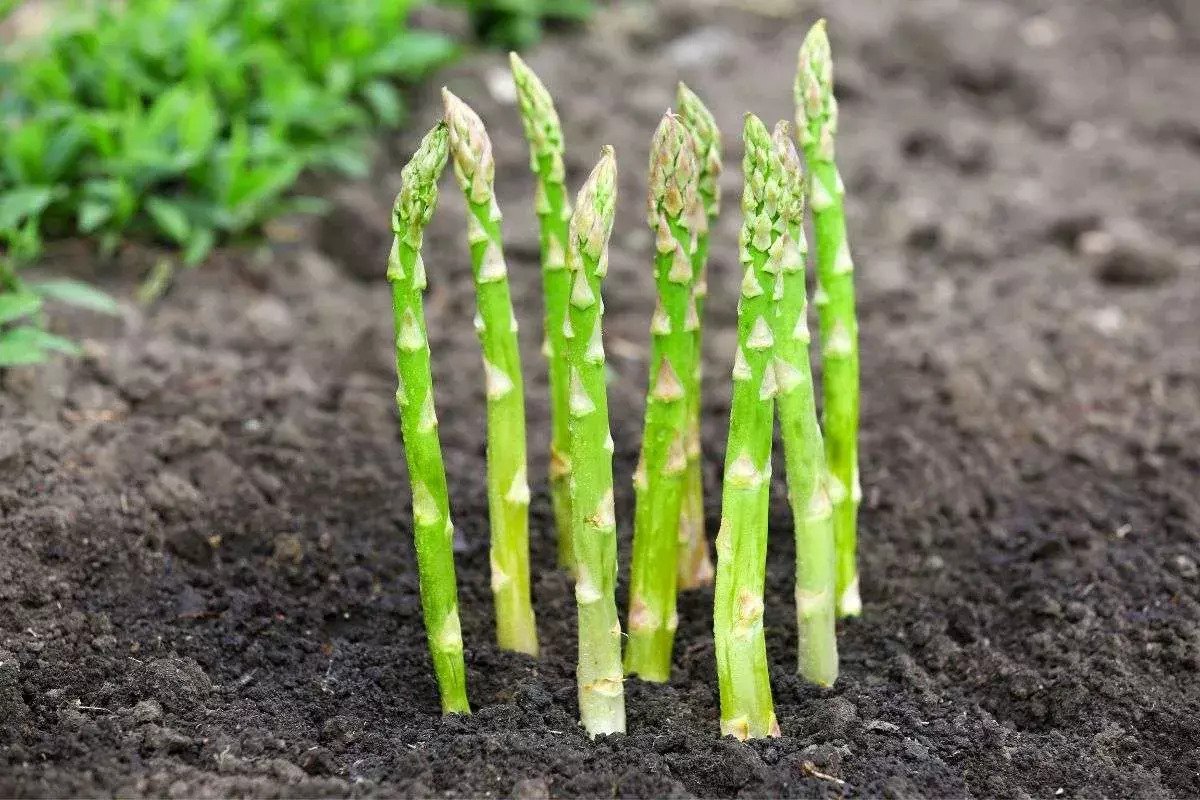
(Tetragonolobus purpureus) is a low growing sprawling plant with bright red-orange flowers. The pods are harvested before they are 1" long. They can be eaten raw or stir-fried, and are said to taste like asparagus.

Packet @ $2.50

VETCH

– HAIRY VETCH (Vicia villosa) (C) is a quick growing legume used as a green manure crop. The 4'-5' sprawling plants are covered with attractive bluish-purple flowers. It is treated as an annual although some plants may winter over, and it may also self seed. It will fix more nitrogen if inoculated with a broad bean/fava innoculant.

25g @ $2.50, 125g @ $7.00


Beans, Peas & other Pulse Crops | Corn | Grain & Seed Crops | Leaf Vegetables
Root Vegetables | Tomato Family | Vine Crops | Flowers and Decorative Plants | Home